
Chinese workers paid 4 euros per hour that is 90 hours per week to make bags for 4,000 euros: vice versa Italian luxury is a stain
Behind the golden window of Italian luxury is an opaque subcontracting system Vacted image “Made in Italy”. The latest scandal: Loro piano, a house specializing in Cashmere belonging to LVMH, which was included in the court administration in Italy for indirectly favoirs for the exploitation of workers. A case that emphasizes a more global problem affecting the entire sector.
Luxury cashmere, bags for 3,000 or 4,000 euros… and secret workshops. Italy, Land of World Luxury, hides a much less brilliant aspect: for insufficiently paid workers, unaccualized, sometimes locked in workshops to produce at low costs. The Loro Piano affair is not an exception, but an illustration of opaque systems that works behind the scenes of transalpine luxury.
Loro Piana Claw, an Italian flagship of Kashmir held by LVMH, was captured in mid -July by a court in Milan. Total: cascade production chain with invisible links where Chinese workers worked in an irregular situation for illegal, insufficiently paid conditions, sometimes hosted directly in the workshop. The workers were paid approximately 4 euros per hour and were forced in extreme schedules (up to 90 hours a week). The court points to the “wine negligence” by the brand and considered the internal audit to be a failure.
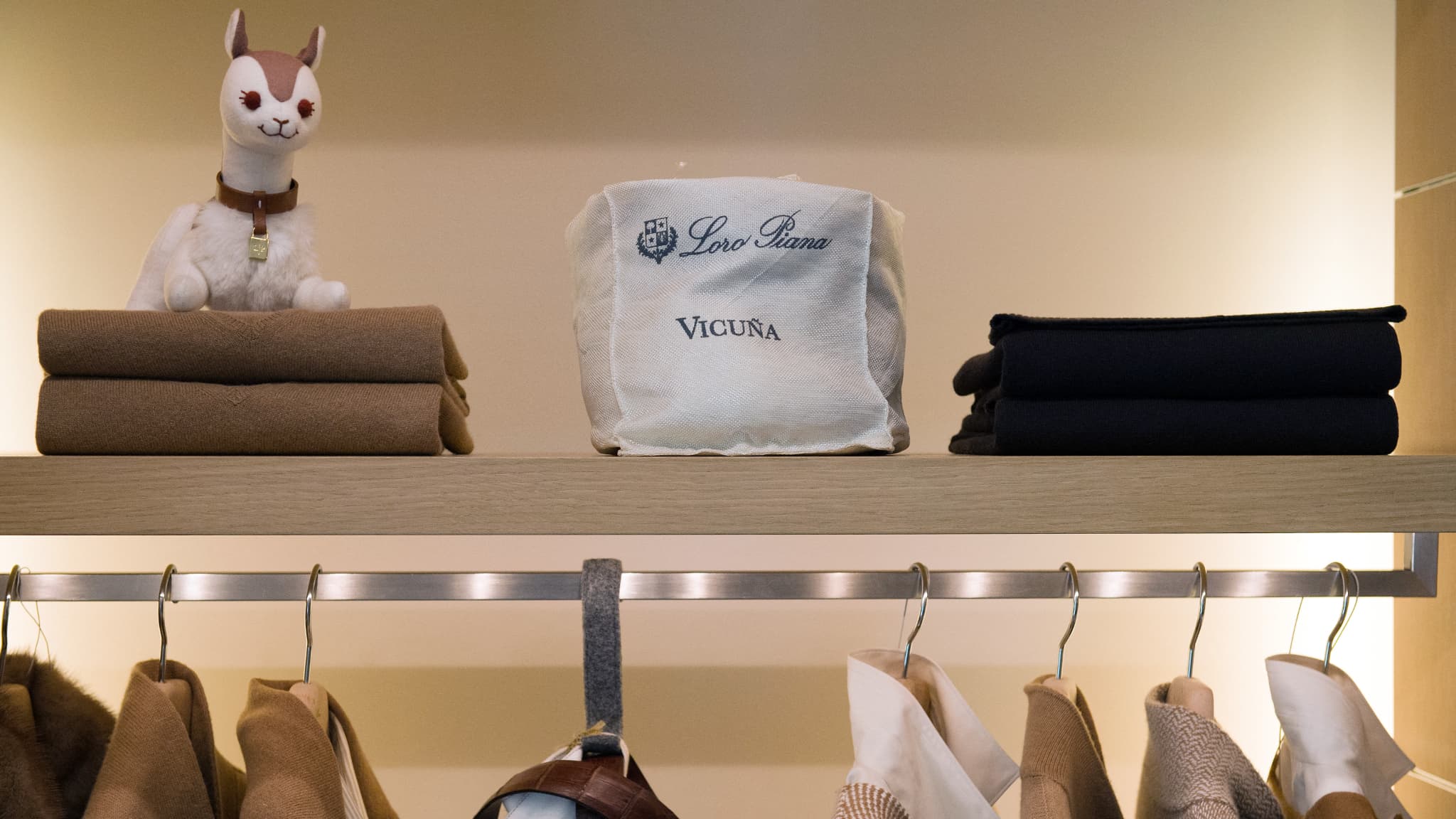
“What happened to Loro Piana is that the” sub -Strana “of another sub -trainera was asked by the supplier hidden from us. We could not know (…), this is an object that concerns the whole of Italy and we have to act collectively, ”explained Cécile Cabanis, auxiliary Director of LVMH, during the more supreme result, July 24, 24 July, 2025.
Loro Piana contacted Fashion United and determines that the supplier concerned did not fulfill his “legal and contractual obligations”. In his press release, Loro Piana said that “he is constantly revising and will continue to strengthen his control and audit activities” to ensure compliance with its own quality and ethical standards throughout the supply chain. A symbolic case of a wider system, convicted by Milan’s prosecutors, where the cheap gangrene plant to turn luxury Made in Italy.
The fragmented ecosystem contributes to abuse
According to a consulting company in Bain, Italy is home to 50% to 55% of the world’s luxury product production. The productive substance, which is largely based on thousands of small and medium -sized enterprises and small partial, concentrated in the areas of Milan, Florence or Prato. It is this cracked organization that allows controls and carries.
In fact, the production of Italian luxury is based on the tangle of micro -trains, independent providers and subcontractors at several levels, often located in discrete industrial areas around Milan, Prato or Naples.
In this dense network, large houses rarely work live with end manufacturers. Orders go hand to hand, from the client to the workshop, then another, sometimes after the fourth or fifth subcontractor. Fragmentation that prevents monitoring almost impossible, even for signs concerning compliance.
Each link can outsource part of production without informing its direct customers. Traditional audit controls – often planned, sometimes superficial – try to detect real abuse: secret workshops, unworthy working conditions, wages of misery or unsuccessful employees, often foreign origin. Economic model, profitable and fragile, whose ethical limits are now revealed by repeated judicial investigations.
“Maintenance available 24 hours a day”
In the years 2024-2025, Italian justice was logged in several large luxury houses such as Dior, Armani and Valentino, for alarming practices in their sub-chain.
The Office for Competition explains these inspections “by possible illegal behavior in promoting and selling articles and clothing accessories contrary to the Italian consumer code”. Although no insult has been recorded for Dior, the French luxury house will have to pay 2 million euros in five years to support initiatives aimed at helping operating victims at work.
On the Valentino side, his subsidiary Valentino Bags Lab was placed under court administration after the discovery of secret seminars throughout Milan, where workers slept at their workplace without a contract with dangerous security conditions.
In the Valentino Bags Lab Laboratory, surveys carried out in the Milan region in 2024 and 2025 revealed a well -established operating system: Some workshops run continuously, day and night, even during the holidays, for the “labor force available 24 hours a day”. Workers, forced to sleep in their workplace, faced a hellish extent without a break or security guarantee. To obtain productivity, machine protection equipment was often dismantled in violation of health rules.
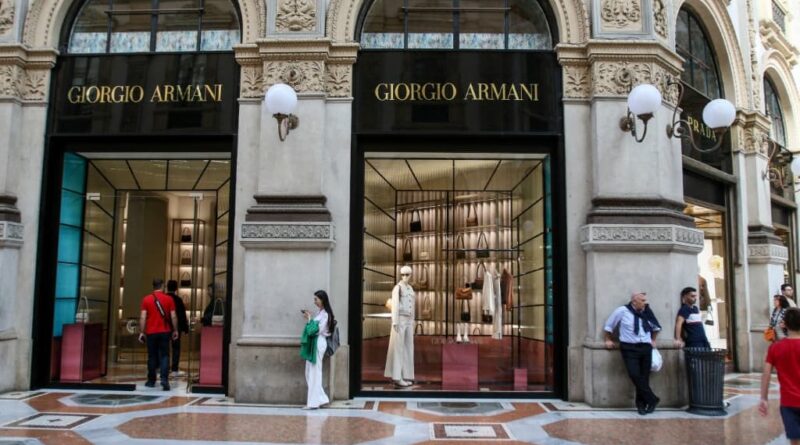
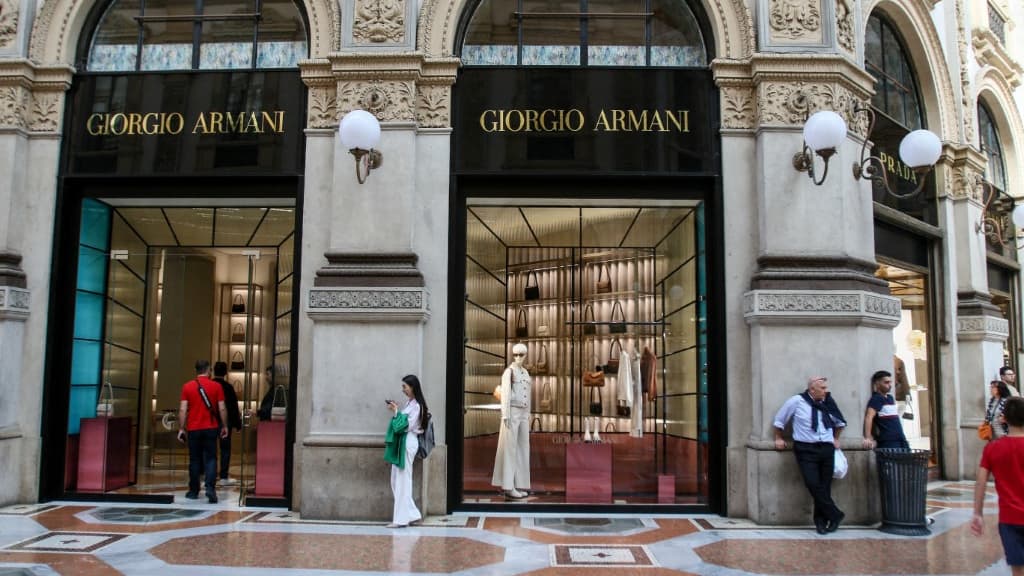
On Friday, August 1, another symbolic example of the ruling coverage broke out in Italy: Luxe Armani Group was sentenced to a fine of EUR 3.5 million for misleading advertising for working conditions with its subcontractors. The Italian Office for Competition, which conducted an investigation for one year, was criticized by Giorgio Armani Spa and Giorgio Armani Operations (GAO) for the formulation of ethical and social responsibility “non -corresponding to reality”. The Armanivuals.com website, emphasizing the commitment to the well -being of employees and safety at the work of the defended Armani, was pointed to a simple marketing tool designed to seduce customers. According to authority, Armani really worked with subcontractors who called on other providers where health and security conditions were “unacceptable”. In his statement, Armani announced that he would call on this fine and expressed “his disappointment and his bitterness”.
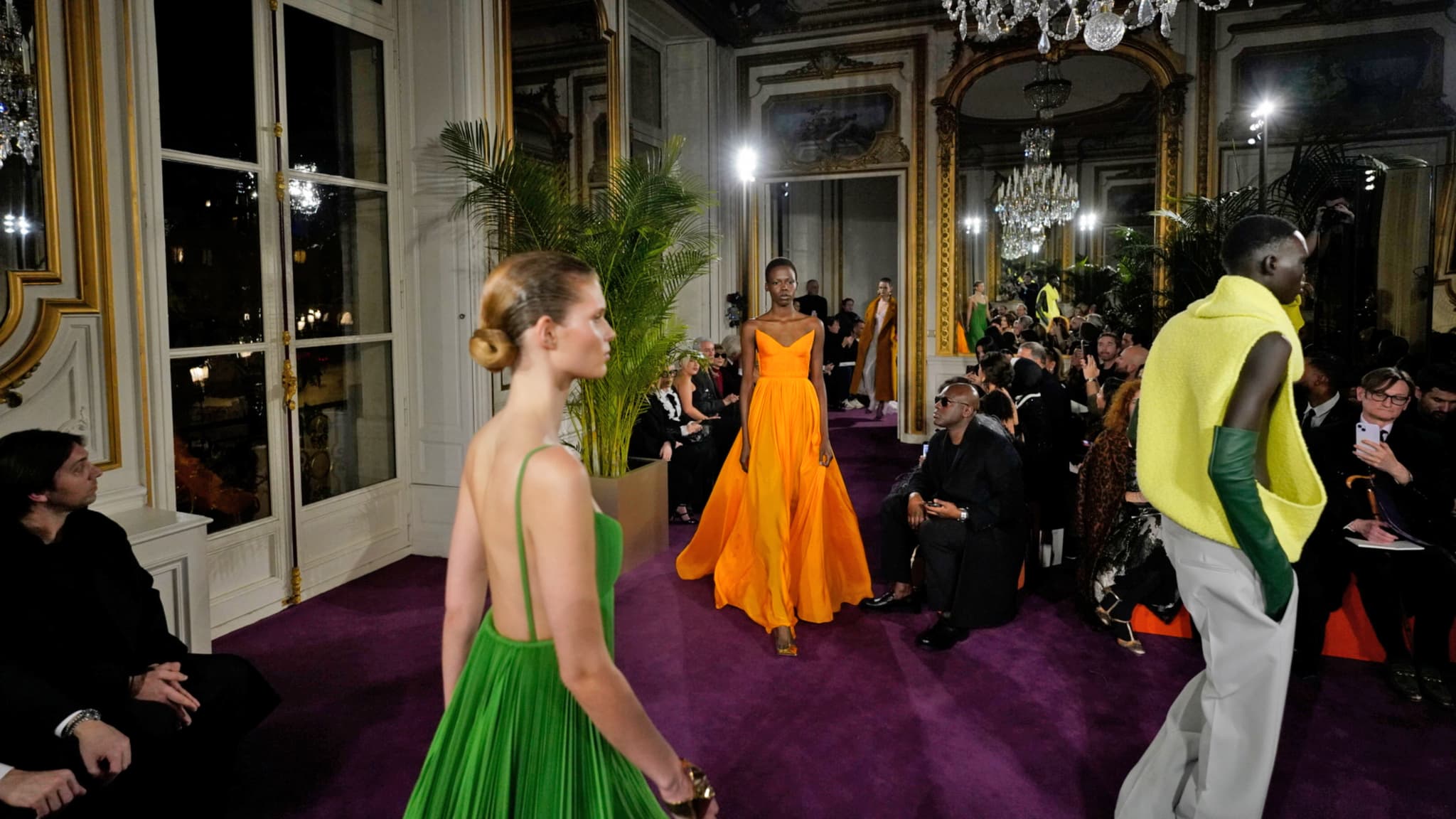
The Italian Minister of Industry, Adolfo Urso, faced the sizes of drift, begged for the system of previous certification of the legality and sustainability of suppliers to prevent unlawful conduct to connect the entire sector, symbolically associated with “produced in Italy”.
At the same time, in May 2025, the authorities, fashion federations and trade unions signed and involved this industry to strengthen controls and eradicated operations in production chains.
If Italy is a European luxury factory, it is also one where the tension between the perfection of craft and low profit is confronted. The case of Loro Piano, by far isolated, sounds like alarm signal: consumer trust, sector reputation and legitimacy “produced in Italy” are now based on transparency.