
Kimberly-Clark exec says old bosses would compare her to their daughters when promoted | Luck
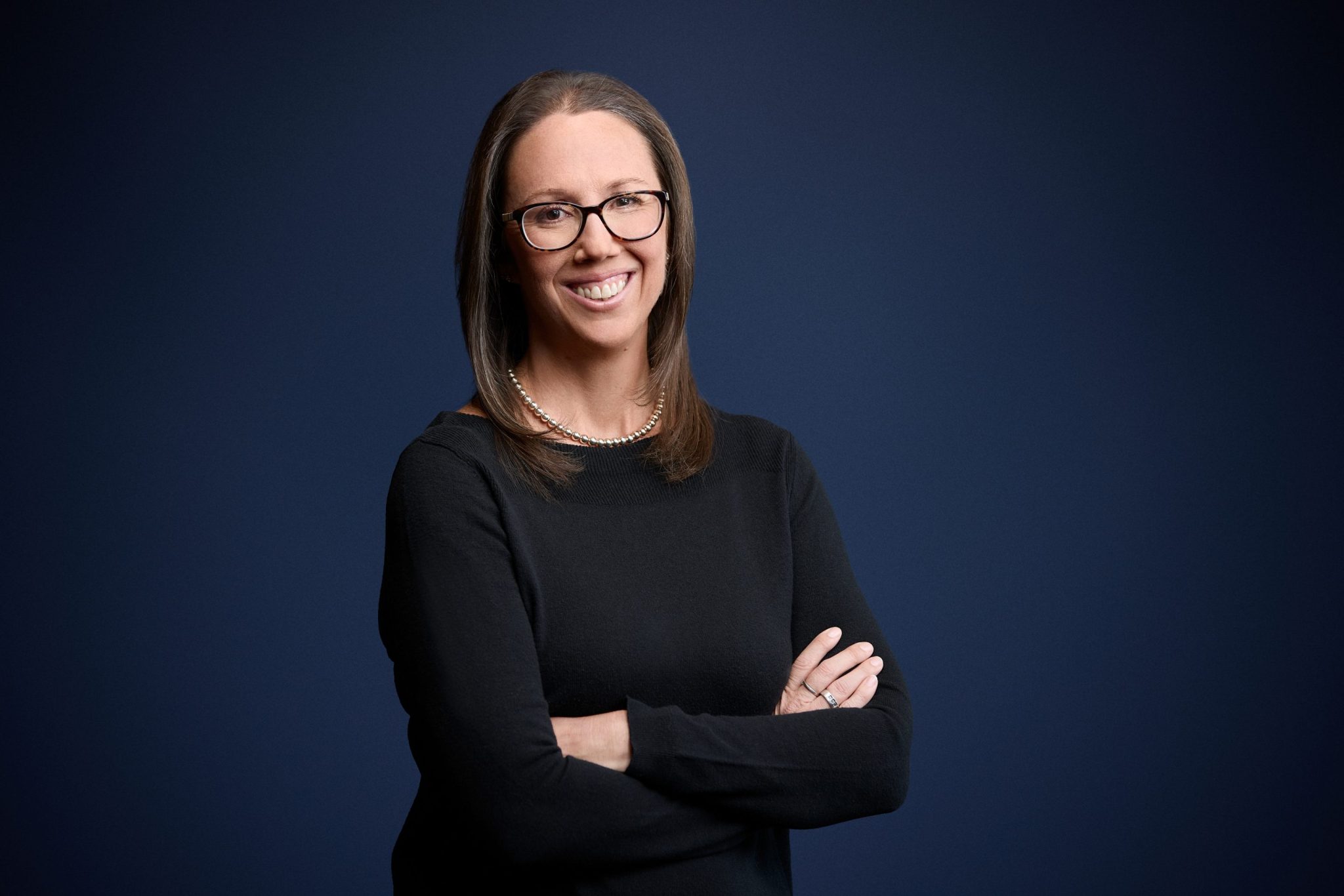
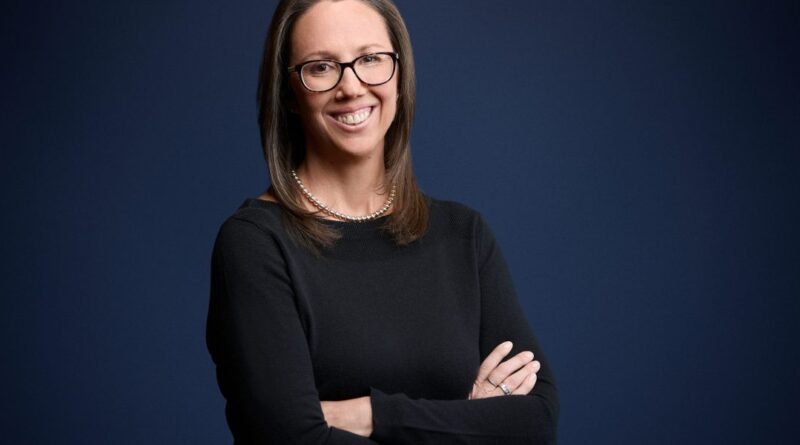
Women have their own unique set of challenges in the workforce; a “motherhood penalty” can set them back $500,000, their representation in the C-suite is waning, and the gender pay gap has widened again. One senior executive at $36 billion manufacturing giant Kimberly-Clark knows the plight all too well—after all, she’s one of the few women in Luck 500, which holds the coveted role.
Tamera Fenske is Kimberly-Clark’s Chief Supply Chain Officer (CSCO), overseeing a massive global team of 22,665 employees – approximately 58% of the global CPG manufacturer’s workforce. He is responsible for optimizing the company’s entire supply chain, from sourcing raw materials for Kimberly-Clark products including Kleenex and Huggies to delivering the final product to customers’ shopping carts.
It’s work that’s essential for most top-tier businesses operating on such a massive scale; about 422 of them Luck According to Spencer Stuart’s 2025 analysis, it has 500 supply chain executives. However, most of these slots are awarded to white men; only about 18% of executives in this position are women, and 12% come from underrepresented racial and ethnic backgrounds. It is one of the least-represented C-suite roles for women, next to CFOs, COOs and CEOs.
In fact, Fenske is one of approximately 76 Fortune 500 women with “chief supply chain officer” listed on her resume. However, the executive says Luck it’s an unfortunate fact that she doesn’t “think” very often – if anything, it motivates her further.
“Every time someone tells me I can’t do something, I want to work that much harder to prove them wrong,” says Fenske.
When Fenske first noticed that she was one of the few women in the room
Fenske has spent her entire life traversing male-dominated subjects—something she didn’t even consider until college.
Her grandfather, aunt, uncles and brother all worked for Dow Chemical, so she grew up in a high STEM household. She also naturally leaned into math and science, eventually graduating with a bachelor’s degree in environmental chemical engineering from Michigan Technological University. It was there that her eyes opened for the first time and she found herself one of the few women in the room.
“It was definitely at Michigan Tech that I first became aware of the difference,” Fenske said, adding that the ratio of men to women was about eight to one. “As you progress through the higher levels and grades, it gets even more rigorous, especially when you get into your engineering specialty.”
Once he entered the world of work, it wasn’t just Fenske who noticed the lack of women in leadership roles – some bosses even pointed it out.
The Fortune 500 boss pays it forward — for both men and women
After graduating from Michigan Tech, Fenske started at the $91 billion manufacturer 3M: a multinational conglomerate that makes everything from Post-It pads to rolls of Scotch tape. Fenske was first hired as an environmental engineer in 2000. Promotion after promotion came, but some people seemed to focus on her gender.
“It became apparent when I was moving through positions fairly quickly. Some of my bosses were saying, ‘You’re my daughter’s age,’ and things like that. ‘You’re the first woman to have this role in this plant or in this division,'” Fenske recalls. Over the course of two decades, she worked her way up from the company position to become 3M’s senior vice president of manufacturing and supply chain in the US and Canada.
And whenever she was asked her gender? She would turn the questions back at them while standing still. “I would always try to spin it a little bit and ask them questions like, ‘Okay, so what’s your daughter doing?’…I always try to understand where they’re coming from, but then also solidify what got me to where I am.”
Now, three years into her current stint as Kimberly-Clark’s CSCO, the 47-year-old is paying it forward — but not just to the women who follow in her footsteps.
“I never thought of myself as necessarily a great trailblazer, even though the stats would tell you I was,” says Fenske. “I’ve been trying to bring it back to women and men, to be honest. Because I think men (are) also one of the strongest advocates for women. So I think we need to teach both how to have the same lens and a diverse perspective.”