
Following in the footsteps of Paul Newman and Yvon Chouinard: There are more ways for leaders to give it away in ‘The Great Boomer Fire Sale’ than ever | Luck
The most radical act in capitalism today isn’t launching a unicorn startup or orchestrating a multi-trillion dollar IPO—it’s giving away your company in the service of good.
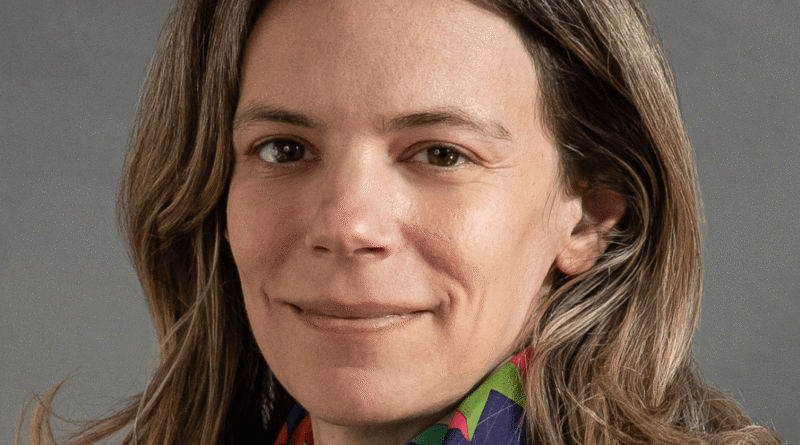
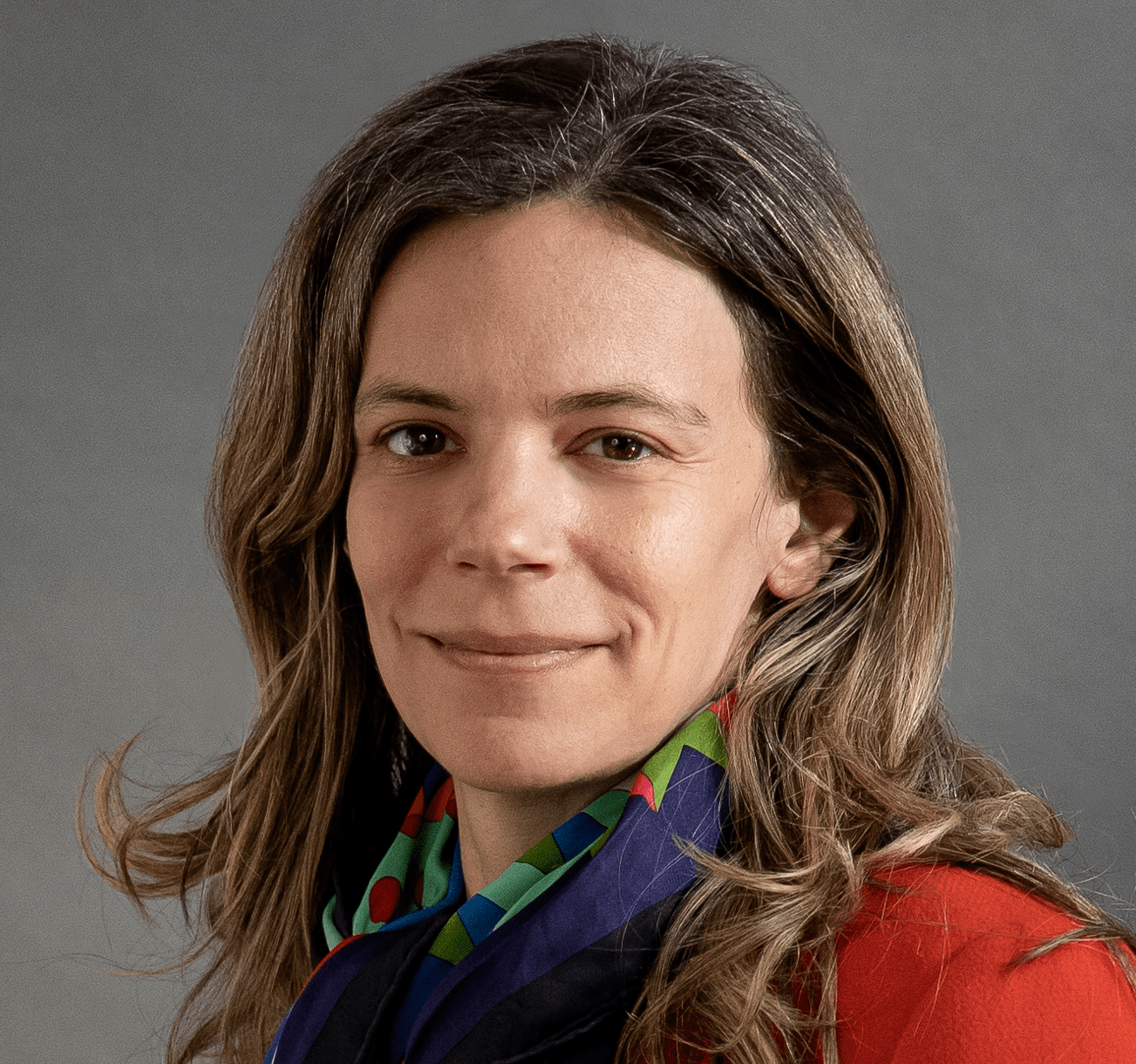
While some business leaders focus on making their fortunes in AI or cryptocurrency, others choose to walk away with nothing but what matters most: a philanthropic annuity that would cement their legacy. As the President and CEO of one of the most famous brands that gives away 100% of its profits, I hear from more and more CEOs and business owners who want to follow in the footsteps of Paul Newman or Yvon Chouinard. These leaders have spent decades building profitable businesses and are now working to transfer ownership of their companies not to the highest bidder, but to foundations, nonprofits, purpose-driven trusts, or their employees.
An estimated 2.9 million private businesses in the US are owned by people over the age of 55. Over the next 20 years, the Great Wealth Transfer and “The Great Boomer Fire Sale” is a unique opportunity to rethink business exits as an act of generosity.
Why give away your business? Departing Generosity allows you to maximize your giving through an engine that will generate profits each year, creating a philanthropic annuity while protecting the company, its employees and the culture built over decades. Additionally, conventional exit options may not be a good fit for your values if you’ve spent decades investing in your employees and your community. A sale to private equity or another business could mean layoffs and a decimated culture. Not all owners have family heirs willing or able to take over. Going public is only available to the largest companies and subjects your life’s work to the pressures of quarterly earnings and the short-term thinking that comes with it. Purpose and legacy can be more important than a big check at the end of your life, especially if you’ve already made good money during your lifetime’s work.
While baby boomers look to the legacy they want to leave, Millennials and Gen Z are looking ahead to the legacy they want to build, with some founding successful companies where giving away 100% of their profits is baked in from the start. Entrepreneurs like John and Hank Green of The Good Store and Adam McCurdie and Joshua Ross of Humanitix challenge critics of the ‘business for good’ model by showing that you can grow a successful business while giving away all the profits.
The good news for those interested in giving away their business? There are now more driving models available than ever before.
Choosing the right structure for your exit
With the passage of the Philanthropic Enterprise Act of 2018, US foundations can now own 100% for-profit companies. Newman’s Own Foundation is a case in point. As a result, one hundred percent of profits and royalties from sales of Newman’s Own products go to the foundation, which serves its mission: to nurture and transform the lives of children facing adversity.
Patagonia uses a perpetual purpose trust, a type of trustee-owned property more common in Europe. As of 2022, the trust owns 100% of the company’s voting stock to ensure that its environmental mission and values are preserved indefinitely, while profits are channeled to the 501c(4), Holdfast Collective, to be distributed to climate causes. These models create what economists call “lock-in effects,” allowing owners to keep the mission front and center even when they’re away.
More than 6,500 American companies are now wholly or partially owned by their employees through employee stock ownership plans (ESOPs), including Bob’s Red Mill and King Arthur Baking Company. These models support business continuity and create thousands of employee-owners who invest in the company’s long-term success. While in many cases these departures are financed through loans, there is nothing to prevent the owner from giving the business to its employees.
You can also look at hybrid models. For example, the Organic Grown Company uses a perpetual special purpose trust to ensure that profits are distributed among equity investors, employees, growers, and nonprofit organizations.
And while a business owner may decide to start his own foundation, why reinvent the wheel? There are plenty of existing foundations and nonprofits that could be worthy recipients if you want to give your company away. In 2011, Amar Bose gave the majority of the shares of audio company Bose Corporation to his alma mater, the Massachusetts Institute of Technology, in the form of non-voting shares.
What’s next?
The holiday season is upon us, and whether you own a business or not, it’s a good time to think about what matters most: What are your values? How much money is enough for you and your family? What does a link mean to you?
For CEOs and owners considering exiting philanthropy, the first step is to assemble the right team: attorneys with experience owning foundations, endowments or ESOPs, financial advisors who understand the tax implications of these unique paths, independent directors or trustees who share your vision. Organizations such as 100% for Purpose, the Purpose Trust Ownership Network and the Purpose Foundation can provide resources and case studies.
Start planning your plan and be patient because the transition can take years, not months. Yvon Chouinard spent two years structuring the Patagonia crossing. While Paul Newman decided from the start to return all profits to the food company when it started in 1982, the first few years were just him writing checks at the end of the year. The foundation was originally established in 1998 and became Newman’s Own before Paul’s death when the food company was donated to the foundation. The complexity isn’t just legal – it’s emotional, relational and cultural, but ideally the transition can happen when you’re still actively involved, able to drive the shift and see the rewards of your hard work pay off handsomely.
In this age of robots and artificial intelligence, it’s good to remember Paul Newman’s wise words: “Corporations are not inhuman money machines. They have to accept that they exist within the community. They have a moral responsibility to be involved. They can’t just sit there unaware that something is going on around them.”
Building a profitable company is hard, but what is truly meaningful is letting them go in the service of good. By doing so, we enable our work to continue in a way that matters far beyond the balance sheet.
Opinions expressed in Fortune.com comments are solely those of their authors and do not necessarily reflect the opinions and beliefs of Luck.